
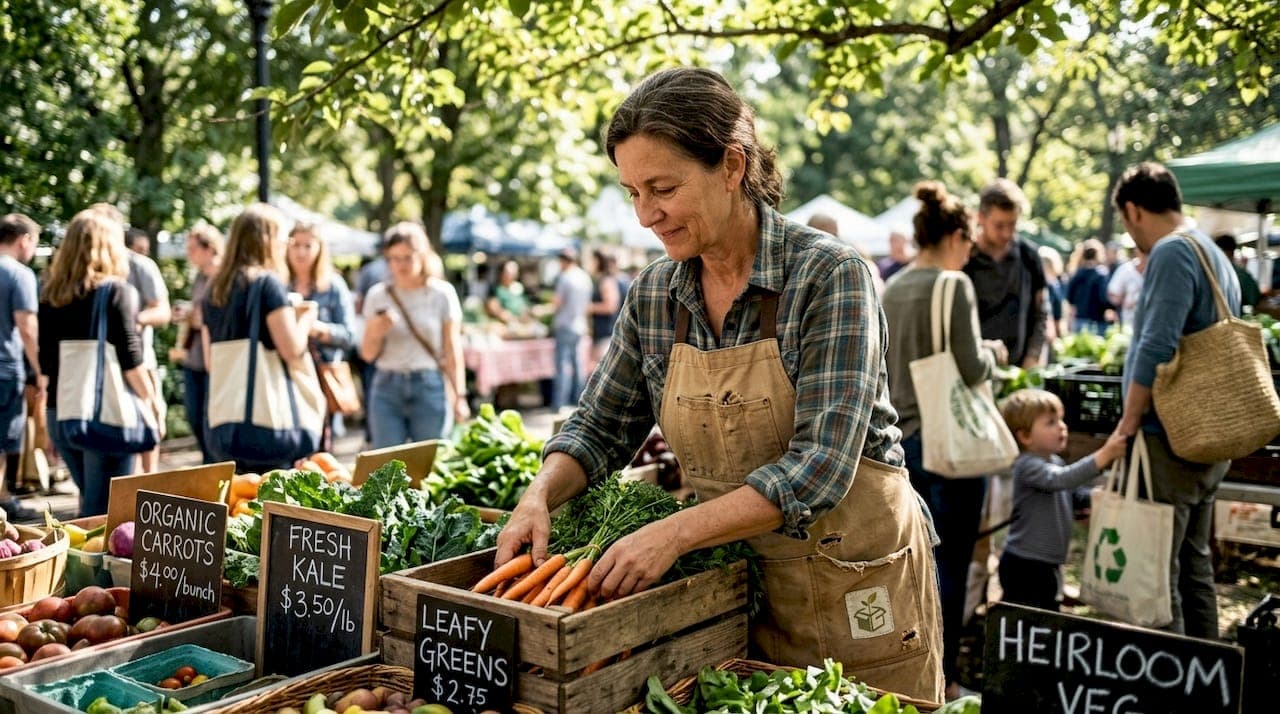
Choosing the right farmers market can feel overwhelming when you're trying to support local growers and find the freshest seasonal produce. With over 8,700 farmers markets across the United States, each offering different vendor types, product selections, and shopping experiences, knowing which market fits your needs matters. Understanding the main types of farmers markets and what makes each unique helps you make informed decisions that align with your values around sustainability, authenticity, and community connection.
Table of Contents
- Key takeaways
- How to evaluate different types of farmers markets
- Traditional community farmers markets
- Producer-only farmers markets
- Urban rooftop and virtual farmers markets
- Artisanal, organic specialty, and other niche markets
- Comparing farmers market types and making your choice
- Discover fresh local products with Savori Market
- Frequently asked questions
Key Takeaways
| Point | Details |
|---|---|
| Market Type Variety | Understanding the different market types by vendor presence location and product focus helps you pick settings that align with your values. |
| Producer Only Markets | Producer only markets often deliver higher farmer revenue and stronger product authenticity. |
| Urban and Online Access | Urban rooftop and online markets expand access for city residents and diversify purchasing options. |
| Community Engagement | Markets with events and demonstrations create social experiences and support local economies beyond simple transactions. |
How to evaluate different types of farmers markets
Before diving into specific market types, you need a framework for evaluation. The key criteria include vendor authenticity, location type, product variety, pricing structure, and community engagement level. Praxis Typology categorizes markets by producer presence and community connection, helping consumers understand how different markets support food sovereignty and local economies.
Vendor authenticity tells you whether farmers actually grew what they're selling or simply resell products from distributors. Location type affects accessibility, whether you're visiting a downtown plaza, suburban parking lot, or shopping online from home. Product variety ranges from basic seasonal produce to specialty items like grass-fed meats, artisan breads, and handmade soaps. Pricing reflects production methods, with organic and specialty products commanding premiums over conventional offerings.
Community engagement varies widely. Some markets host cooking demonstrations, live music, and educational workshops that transform shopping into a social experience. Others focus purely on transactions. Market size matters too. Smaller markets with 10 to 15 vendors offer intimate experiences but limited selection, while larger markets with 40 or more vendors provide extensive choices but can feel crowded and impersonal.
Pro Tip: Visit markets at different times during the season. Early season offerings differ dramatically from peak harvest, and vendor participation often changes throughout the year.
When you're ready to become a vendor yourself, understanding these evaluation criteria helps you choose markets that align with your farm's values and business model.
Traditional community farmers markets
Traditional community farmers markets represent the most familiar model. These markets typically have 15 to 30 vendors selling produce harvested within 24 to 48 hours, held weekly on weekend mornings in open-air community spaces like parks, parking lots, or town squares. The emphasis falls on seasonal produce, though many markets also feature baked goods, honey, eggs, and cut flowers.
The social atmosphere distinguishes traditional markets from grocery stores. You'll chat directly with farmers about growing practices, get recipe suggestions, and often see the same vendors week after week, building relationships over time. Kids can see where food comes from, sampling fresh strawberries or watching bees in observation hives. Many shoppers treat market visits as weekend rituals, meeting friends for coffee while filling bags with vegetables.
Product selection changes dramatically with seasons. Spring brings tender greens, asparagus, and early berries. Summer explodes with tomatoes, peppers, stone fruits, and sweet corn. Fall offers winter squash, apples, and root vegetables. This seasonal rhythm connects you to natural growing cycles in ways supermarkets never can.
Traditional markets vary in vendor requirements. Some allow resellers who purchase produce from wholesalers, while others restrict vendors to farm products only. Ask market managers about vendor rules if authenticity matters to you. Price points typically run slightly higher than conventional supermarkets but lower than organic grocery chains, reflecting fair compensation for small-scale farming without corporate markups.
Pro Tip: Arrive during the first hour for best selection and freshest products, but visit the final 30 minutes if you're looking for deals as vendors reduce prices rather than pack up unsold inventory.
Browsing fresh local products online captures some traditional market benefits while adding convenience for busy schedules.
Producer-only farmers markets
Producer-only markets take authenticity seriously. These markets require vendors to grow 80% or more of their offerings within 150 miles, verified through regular inspections of farm operations. This strict standard ensures every tomato, every bunch of kale, and every jar of jam comes from the person standing behind the table.
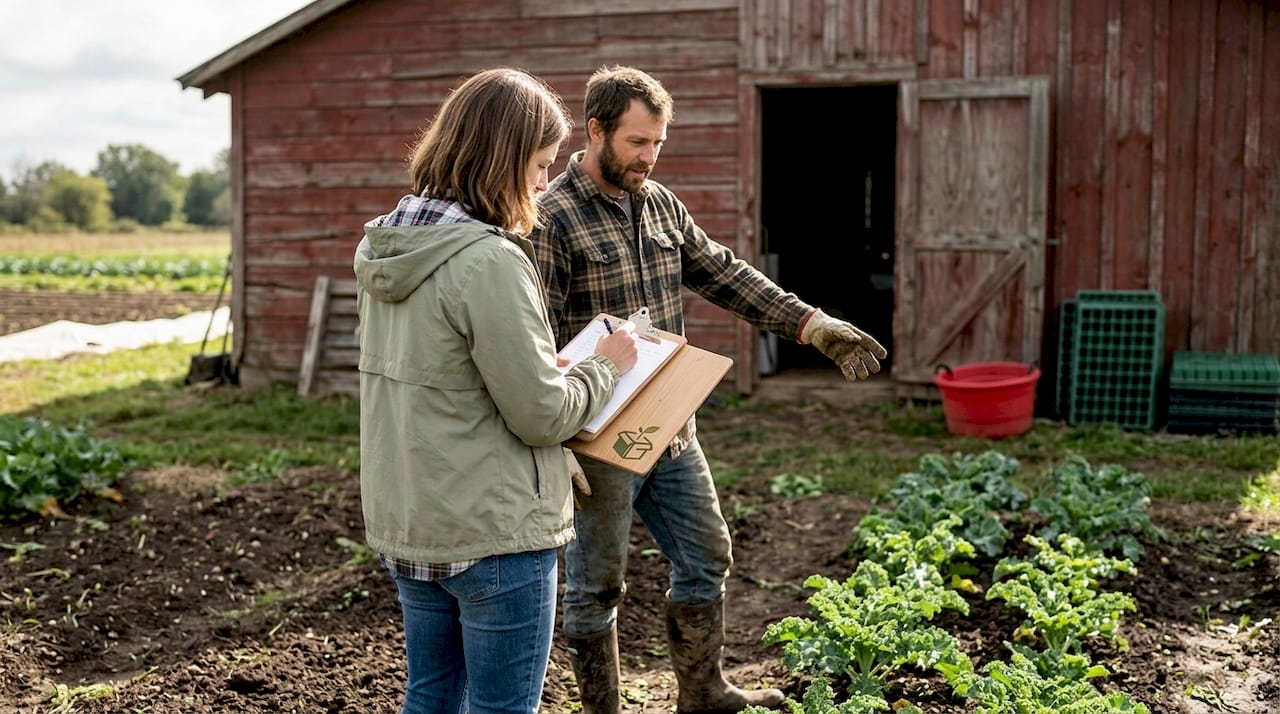
The financial impact on farmers proves substantial. At producer-only markets, farmers keep 80% to 100% of sales revenue compared to 20% to 40% when selling through wholesale distributors or grocery chains. This direct-to-consumer model makes small-scale farming economically viable, allowing farmers to earn living wages while charging consumers less than premium grocery stores.
Vendor diversity suffers somewhat under strict production rules. You'll find fewer prepared foods, baked goods, and value-added products since producers must make everything themselves rather than sourcing ingredients. A farmer growing vegetables can't easily sell bread unless they also mill flour and operate a licensed bakery. This limitation means producer-only markets often feature 10 to 20 vendors rather than 30 or more.
Inspection protocols maintain trust. Market managers visit farms during growing season, verifying that vendors actually cultivate the acreage and varieties they claim. Some markets require vendors to submit planting plans, harvest records, and sales data. These measures prevent fraudulent vendors from purchasing wholesale produce and misrepresenting it as farm-grown.
For consumers prioritizing genuine local sourcing and maximum farmer support, producer-only markets deliver unmatched authenticity. You're guaranteed the person selling carrots planted, weeded, harvested, and washed those carrots on their own farm. Understanding farmers market vendor requirements helps you appreciate the commitment behind each sale.
Urban rooftop and virtual farmers markets
Innovative market models address urban access challenges. Urban rooftop markets transform underutilized city rooftops into productive growing spaces and market venues. These markets use rooftops of 5,000 to 10,000 square feet, with 75% of vendors offering educational workshops on topics like container gardening, composting, and food preservation.
Rooftop markets serve city dwellers who lack easy access to suburban farmers markets or farmland. Modular growing systems, raised beds, and vertical gardens demonstrate urban agriculture possibilities while producing salad greens, herbs, tomatoes, and peppers sold directly to market visitors. The educational component proves especially valuable, teaching apartment residents how to grow food in limited spaces.
Virtual farmers markets represent a different innovation. Online platforms expand vendor reach 40 to 60 miles beyond physical market locations, connecting rural farmers with urban consumers who can't attend weekend markets. Customers browse products online, place orders throughout the week, and pick up at designated times or receive home delivery.
Online farmers markets boost convenience significantly but face technology adoption barriers. About 35% of small farmers struggle with e-commerce platforms, digital photography, inventory management, and online payment processing. Younger farmers adapt more easily, while older producers often need substantial support to participate effectively.
| Feature | Urban Rooftop Markets | Virtual Farmers Markets |
|---|---|---|
| Space requirement | 5,000 to 10,000 sq ft rooftop | Digital platform only |
| Vendor interaction | Face-to-face during market hours | Limited to pickup/delivery |
| Geographic reach | Immediate neighborhood | 40 to 60 mile radius |
| Educational component | 75% offer workshops | Recipe blogs and videos |
| Technology barrier | Minimal | 35% of farmers struggle |
| Accessibility | Urban residents | Anyone with internet |
Pro Tip: Virtual markets work best when you complement online ordering with occasional physical market visits to maintain farmer relationships and discover new vendors.
Exploring an online farmers market platform lets you support local agriculture even when weekend schedules don't allow traditional market visits.
Artisanal, organic specialty, and other niche markets
Niche markets cater to specific consumer preferences. Artisanal markets emphasize value-added products beyond fresh produce. These markets focus on preserves, cheeses, and soaps alongside conventional vegetables and fruits, attracting shoppers seeking unique, handcrafted goods that reflect traditional food preparation methods and artisan skills.
Product variety at artisanal markets includes small-batch jams, fermented vegetables, farmstead cheeses, cured meats, handmade soaps, beeswax candles, and fiber products from farm animals. These value-added items command premium prices reflecting the labor, skill, and time required for production. A jar of wild blueberry jam made in small batches costs more than mass-produced grocery store versions but delivers superior flavor and supports artisan livelihoods.
Organic specialty markets target health-conscious consumers willing to pay more for certified organic production. These markets cost 20% to 30% more than conventional farmers markets but remain 10% to 15% cheaper than supermarket organic sections. The price premium reflects organic certification costs, lower yields, and more labor-intensive growing methods that avoid synthetic pesticides and fertilizers.
Certification standards vary. Some markets require USDA organic certification, while others accept naturally grown practices without formal certification. Smaller farms often can't afford organic certification fees despite following organic methods. Markets addressing this reality may allow uncertified vendors who sign affidavits describing their growing practices.
Niche markets combine food and non-food farm products, creating diverse shopping experiences. You might find wool yarn spun from farm sheep, cutting boards made from orchard wood, or botanical skincare products alongside heirloom tomatoes and pasture-raised chicken. This diversity appeals to consumers seeking authentic, locally made goods across multiple categories. Shopping organic and artisanal products supports the full range of farm enterprises beyond basic produce sales.
Comparing farmers market types and making your choice
Each market type offers distinct advantages. Traditional community markets provide the most familiar experience with broad vendor participation and strong social atmosphere. Producer-only markets guarantee authenticity and maximize farmer revenue but limit vendor diversity. Urban rooftop markets bring agriculture into cities with educational components. Virtual markets expand access through e-commerce convenience. Artisanal and organic specialty markets cater to specific product preferences and values.
| Market Type | Vendor Authenticity | Location | Price Range | Product Focus | Best For |
|---|---|---|---|---|---|
| Traditional Community | Varies by market | Open-air public spaces | Moderate | Seasonal produce | Social atmosphere seekers |
| Producer-only | Verified 80%+ local | Various locations | Moderate to high | Farm-grown only | Authenticity priority |
| Urban Rooftop | Mixed | City rooftops | Moderate to high | Greens, herbs, education | Urban residents |
| Virtual/Online | Varies | Digital platform | Moderate | Broad selection | Convenience seekers |
| Artisanal | Craft-focused | Specialty venues | High | Value-added goods | Unique product seekers |
| Organic Specialty | Certified organic | Various locations | High | Organic produce | Health-conscious shoppers |
Your choice depends on priorities. If local origin and farmer support matter most, choose producer-only markets despite limited selection. If convenience drives decisions, virtual markets deliver without weekend time commitments. If you value community connection and social interaction, traditional markets excel. If you seek premium specialty products, artisanal and organic markets fit best.
The United States has over 8,700 farmers markets serving 40,000 farmers with high consumer attendance, reflecting widespread interest in fresh, locally sourced food. This abundance means most regions offer multiple market types. Geography affects options. Rural areas typically feature traditional and producer-only markets, while cities add rooftop and virtual alternatives.
Pro Tip: Try several market types before settling on favorites. Your preferences may surprise you, and different markets suit different shopping needs throughout the year.
Exploring fresh farmers market products across various market types helps you discover which vendors and products best match your values and taste preferences.
Discover fresh local products with Savori Market
Now that you understand different farmers market types and how to evaluate them, putting that knowledge into action becomes simple. Savori Market brings the farmers market experience to your screen, connecting you with trusted local farmers and artisans without leaving home. Our online platform combines the authenticity of producer-only markets with the convenience of virtual shopping and the product diversity of artisanal markets.
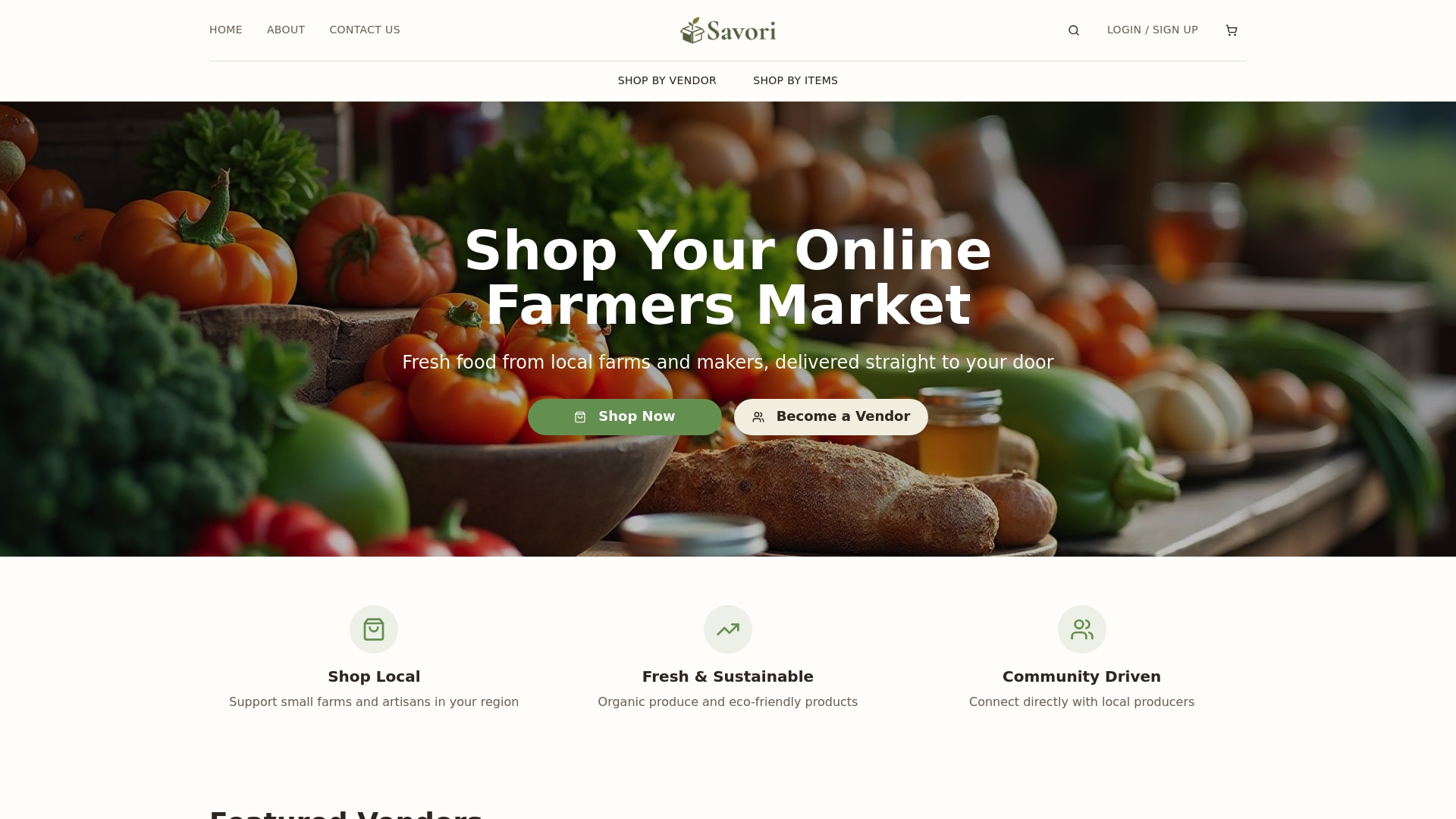
Every product on Savori Market comes with transparent sourcing information, so you know exactly who grew your vegetables, raised your meat, or crafted your pantry staples. We've built relationships with local producers who share our commitment to quality, sustainability, and community. Whether you're stocking up on seasonal produce, discovering handcrafted goods, or supporting your local food system, Savori Market makes it easy.
Shop fresh local products curated from the best farmers and artisans in your region, explore our online farmers market platform to see how we're reimagining local food access, or become a vendor if you're a farmer or artisan ready to reach conscious consumers who value what you create.
Frequently asked questions
What defines a producer-only farmers market?
Producer-only markets require vendors to grow or produce at least 80% of their offerings themselves, typically within a 150-mile radius. Regular farm inspections verify compliance, ensuring authenticity and preventing resellers from misrepresenting wholesale products as locally grown. This model allows farmers to retain 80% to 100% of sales revenue rather than the 20% to 40% they'd earn through wholesale channels.
How do online farmers markets benefit local farmers and consumers?
Online farmers market platforms expand vendor reach 40 to 60 miles beyond physical locations, connecting rural farmers with urban consumers who can't attend weekend markets. Consumers gain convenience through weeklong ordering windows and flexible pickup times. However, approximately 35% of small farmers face technology adoption challenges with e-commerce systems, digital photography, and online payment processing.
Are organic specialty markets more expensive than other farmers markets?
Yes, organic specialty markets typically cost 20% to 30% more than conventional farmers markets due to certification expenses, lower yields, and labor-intensive growing methods. However, they remain 10% to 15% cheaper than supermarket organic sections. The premium reflects true production costs while still offering better value than corporate organic retailers.
What should I consider when choosing a farmers market to visit?
Evaluate vendor authenticity rules, product variety, location convenience, pricing, and community atmosphere. Consider whether you prioritize certified local production, specialty items, social interaction, or simple convenience. Try visiting different market types during peak season to compare experiences before committing to regular shopping patterns that fit your lifestyle and values.