
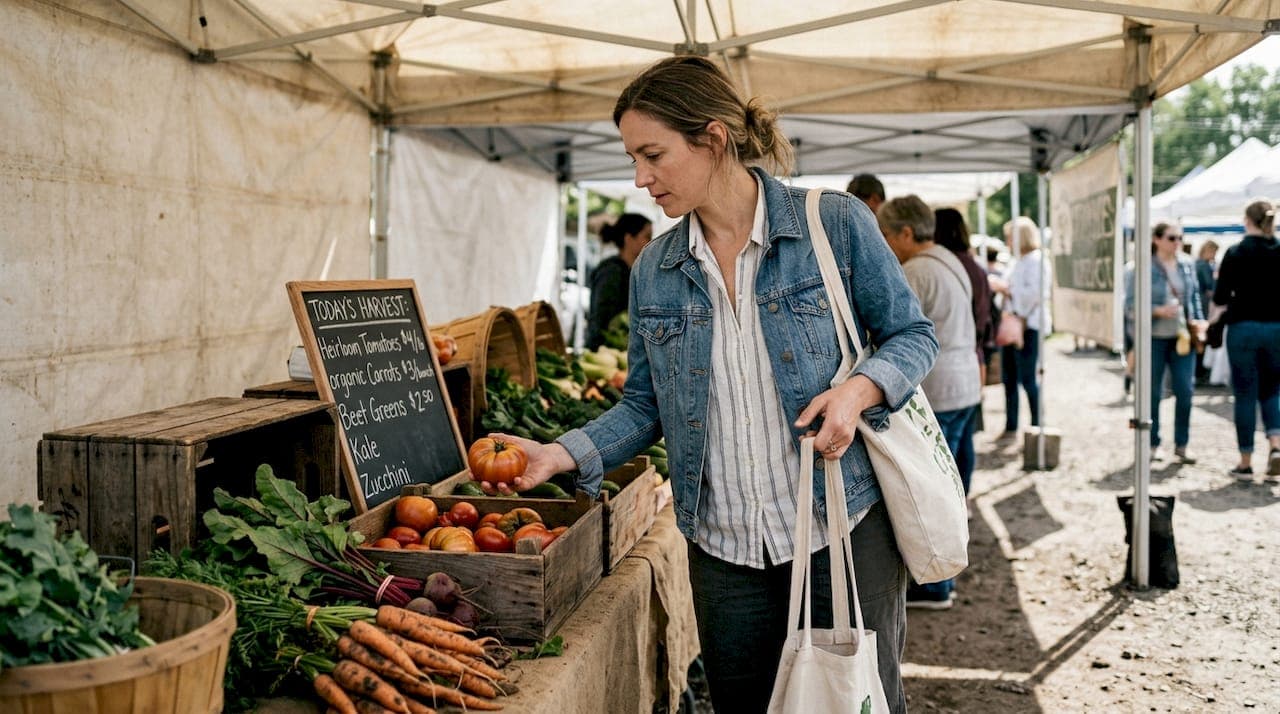
Finding fresh, sustainable food that supports your values can feel overwhelming. Supermarket shelves offer convenience but often lack transparency about where products come from or how they were grown. Farm-to-table shopping connects you directly with local farmers and artisans, giving you access to fresher food while supporting your community's economy. This guide walks you through the entire process, from understanding what farm-to-table means to mastering the practical steps that make shopping for local products simple and rewarding.
Table of Contents
- Key takeaways
- Understanding farm-to-table shopping and its benefits
- Preparing to shop farm-to-table: what you need to know
- How to shop farm-to-table: step-by-step process
- Common mistakes and how to avoid them
- What to expect when embracing farm-to-table shopping
- Discover fresh local products at Savori Market
- Frequently asked questions
Key Takeaways
| Point | Details |
|---|---|
| Direct sourcing | Farm to table means buying directly from local farmers and artisans, cutting out the middlemen between farms and your kitchen. |
| Lower carbon footprint | Shorter supply chains reduce transportation and packaging waste, lowering emissions and conserving resources. |
| Support local economy | Purchasing from nearby producers helps local businesses reinvest, hire neighbors, and strengthen regional prosperity. |
| Fresher produce | Produce picked yesterday retains more nutrients than items harvested weeks ago for long distance shipping. |
| Seasonal planning | Knowing what is in season helps you plan meals around peak availability and avoid disappointment. |
Understanding farm-to-table shopping and its benefits
Farm-to-table shopping means sourcing food directly from the people who grow or make it, cutting out the middlemen that typically stand between farms and your kitchen. Instead of buying produce that traveled thousands of miles and sat in warehouses, you purchase from local farmers markets, farm stands, or online platforms connecting you with nearby producers. This direct relationship transforms how you think about food.
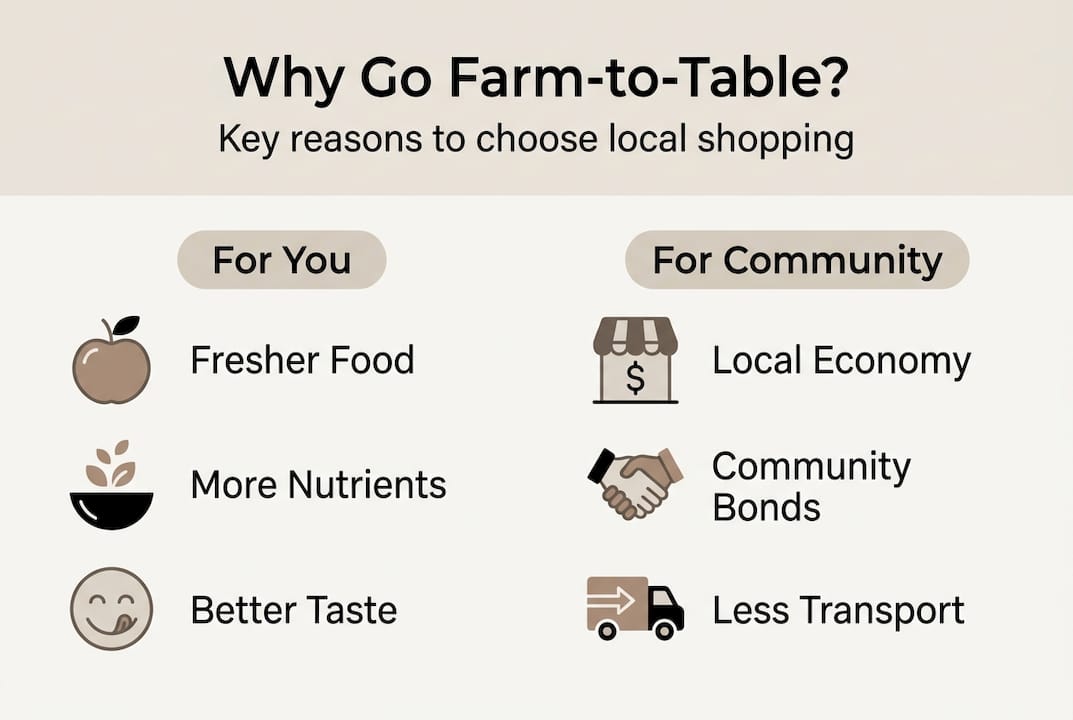
The environmental advantages are substantial. Farm-to-table shopping reduces environmental impact by cutting transportation and minimizes packaging waste since local vendors often use simpler, reusable containers. Your tomatoes might travel 20 miles instead of 2,000, dramatically lowering the carbon footprint of your meals. Shorter supply chains mean less fuel consumption and fewer emissions.
Economically, every dollar you spend stays in your community. Local farmers and artisans reinvest in their operations, hire neighbors, and contribute to regional prosperity. You're not funding corporate distribution networks. You're supporting families who care deeply about their craft.
Health benefits come from freshness. Produce picked yesterday retains more nutrients than items harvested weeks ago for long-distance shipping. You'll taste the difference immediately. Local farmers often use fewer preservatives and chemicals because their products don't need to survive extended transport and storage.
Farm-to-table shopping also builds meaningful community connections. You learn the names of people growing your food, understand their practices, and develop relationships that make shopping personal rather than transactional. These interactions preserve local food traditions and create accountability that mass production can't match.
Pro Tip: Ask farmers about their growing practices during your first visit. Learning whether they use organic methods, how they manage pests, and what's coming into season next helps you plan meals and build trust with your fresh local products sources.
Preparing to shop farm-to-table: what you need to know
Successful farm-to-table shopping starts with research. Identify farmers markets in your area by checking municipal websites, community boards, and local food networks. Many cities host weekly or monthly markets where multiple vendors gather. Farm stands operate directly on agricultural properties, offering products from a single source. Online platforms like Savori Market aggregate local producers, letting you browse and purchase from home.
Understanding seasonal availability prevents disappointment. Tomatoes won't appear in January in most climates, and expecting strawberries year-round sets unrealistic expectations. Knowing the local growing season and vendor options helps you plan meals around what's actually available and at peak freshness. Spring brings leafy greens and asparagus. Summer offers berries, tomatoes, and squash. Fall delivers root vegetables and apples. Winter features stored crops like potatoes and preserved goods.
Gather essential shopping tools before your first trip. Reusable bags reduce waste and make transport easier. A cooler with ice packs keeps perishable items like dairy, meat, and delicate produce fresh during your journey home, especially in warm weather. Bring cash since some small vendors don't accept cards, though this is changing as mobile payment systems become common.
| Season | Typical Available Products | Peak Shopping Months |
|---|---|---|
| Spring | Leafy greens, asparagus, peas, radishes | March - May |
| Summer | Tomatoes, berries, corn, peppers, squash | June - August |
| Fall | Apples, pumpkins, root vegetables, winter squash | September - November |
| Winter | Stored crops, preserved goods, citrus (in warmer regions) | December - February |
Contact vendors ahead when possible. A quick phone call or message confirms they'll be at the market and whether specific items you want are available. This saves wasted trips and helps you plan efficiently.
Pro Tip: Visit markets near closing time for potential discounts on items vendors don't want to transport back. Many farmers would rather sell at reduced prices than reload their trucks, though selection will be limited compared to early morning.
How to shop farm-to-table: step-by-step process
Step 1: Locate your sources and plan your visit. Research which markets operate on which days and what time vendors typically arrive. Morning shopping offers the best selection since popular items sell out quickly. Online platforms let you shop local products anytime, browsing vendor profiles and product descriptions from home.
Step 2: Assess product freshness through multiple senses. Look for vibrant colors, firm textures, and absence of bruising or mold. Smell produce to detect ripeness and quality. Don't hesitate to ask vendors questions about harvest dates, storage methods, and handling practices. Interacting with vendors and inspecting freshness ensures you're getting quality products worth the investment.
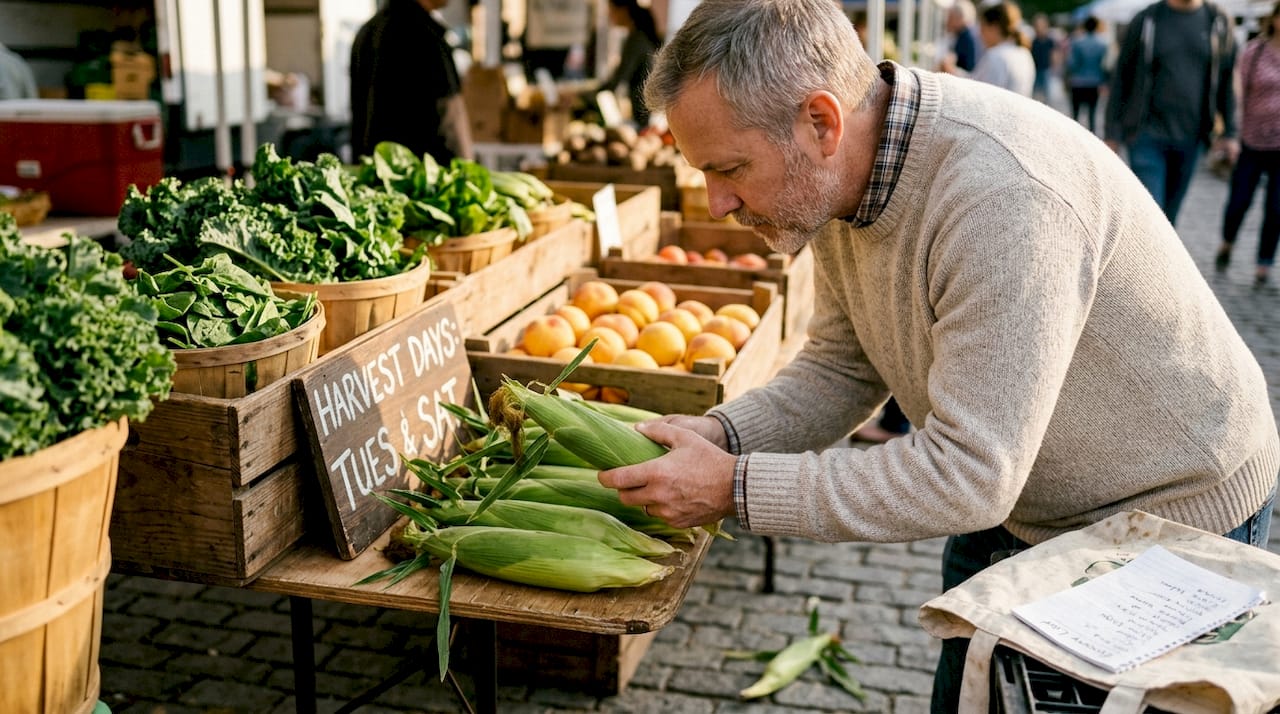
Step 3: Compare your options thoughtfully. Prices at farmers markets often exceed supermarket rates because you're paying for quality, freshness, and sustainable practices rather than industrial efficiency. However, the value proposition differs significantly.
| Factor | Farm-to-Table | Conventional Grocery |
|---|---|---|
| Freshness | Harvested within days | Often weeks old |
| Nutrient Density | Higher due to freshness | Degraded during transport |
| Price | Typically higher per unit | Lower due to scale |
| Transparency | Direct vendor interaction | Minimal sourcing information |
| Environmental Impact | Lower carbon footprint | Higher due to long supply chains |
Step 4: Choose quantities based on realistic meal planning. Buying too much leads to waste, especially with highly perishable items. Calculate what you'll actually use within the product's freshness window. Many vendors offer bulk discounts, but only take advantage if you can preserve or consume the quantity.
Step 5: Transport products safely to maintain quality. Place delicate items like berries and leafy greens on top of heavier produce. Use your cooler for anything requiring refrigeration. Get perishables home and properly stored within two hours to prevent spoilage and maintain food safety.
Common mistakes include buying out of season items at premium prices, failing to ask about farming practices and product origins, and impulse purchasing without a plan for use. Building relationships with sellers provides insider knowledge about upcoming harvests and occasional deals.
Pro Tip: Bring a small notepad to track which vendors have the best quality for specific products. Over time, you'll develop preferred sources for tomatoes, eggs, honey, and other staples, making shopping more efficient.
Common mistakes and how to avoid them
Overbuying ranks as the most frequent error. The abundance and beauty of fresh products tempts shoppers to purchase more than they can realistically consume. Without commercial preservation equipment, most items last only days. Buy conservatively until you understand your consumption patterns and storage capabilities.
Ignoring seasonal availability creates frustration. Expecting year-round access to all products contradicts the farm-to-table philosophy. Seasonal eating means adapting your cooking to what's currently growing, which actually increases culinary creativity. When tomatoes disappear in winter, explore root vegetable dishes and preserved goods instead.
Neglecting to ask vendors questions wastes the primary advantage of direct purchasing. Don't assume organic practices or humane animal treatment. Ask specifically about pesticide use, fertilization methods, animal welfare standards, and processing practices. Reputable vendors welcome these conversations and provide detailed answers.
Poor storage causes unnecessary spoilage. Many consumers don't realize that different products require different conditions. Tomatoes lose flavor in refrigerators. Leafy greens need humidity. Root vegetables prefer cool, dark spaces.
Always refrigerate perishable items promptly after purchase. Meat, dairy, and cut produce should reach proper storage temperatures within two hours to prevent bacterial growth and maintain safety standards.
Skipping vendor relationship building limits your experience. Regular customers often receive first access to special products, advance notice about seasonal availability, and occasional discounts. Vendors remember faces and appreciate loyalty.
Avoiding common mistakes preserves freshness and maximizes satisfaction. Start with small purchases while learning storage techniques and consumption patterns. Gradually increase quantities as you gain experience and confidence in managing fresh, local products.
Another pitfall involves assuming all farmers market vendors are local. Some resell products from distant sources or wholesale markets. Verify that vendors actually grow or produce what they're selling by asking about their farm location and practices. Authentic local vendors proudly share details about their operations.
What to expect when embracing farm-to-table shopping
Seasonal variety defines the farm-to-table experience. Your available options shift dramatically throughout the year, encouraging you to eat with natural rhythms rather than against them. This variability might feel restrictive initially but ultimately expands your culinary repertoire as you discover new ingredients and preparation methods.
Prices typically exceed conventional supermarket rates for comparable items. You're paying for superior quality, sustainable practices, and fair compensation for farmers. The price difference reflects true costs that industrial agriculture externalizes through environmental degradation and worker exploitation. Many shoppers find the investment worthwhile once they taste the difference and understand the broader impact.
Freshness surpasses anything available through conventional retail channels. Produce picked yesterday contains more nutrients, tastes better, and lasts longer in your kitchen than items harvested weeks ago. The sensory experience of truly fresh food converts most people into committed farm-to-table shoppers.
Transparency and connection transform shopping from a chore into a meaningful activity. Knowing exactly where your food comes from and who produced it creates accountability and trust impossible in anonymous supply chains. You'll learn about farming challenges, weather impacts, and the dedication required to produce quality food.
Farm-to-table products may offer superior taste and community value despite varied price points. The satisfaction of supporting sustainable, local economies adds intangible benefits that pure cost comparisons miss. Many shoppers report that investing in quality local food improves their overall relationship with eating and cooking.
Expect occasional disappointments. Crops fail, weather disrupts harvests, and your favorite vendor might not attend every market. This unpredictability is part of connecting with real agriculture rather than industrial systems engineered for consistency. Flexibility and adaptability become essential shopping skills.
The learning curve requires patience. Understanding which vendors offer the best value for specific products, recognizing quality indicators, and managing seasonal availability takes time. Most shoppers need several months to feel confident navigating farm-to-table purchasing, but the skills become second nature with practice.
Discover fresh local products at Savori Market
Transitioning to farm-to-table shopping becomes effortless when you have the right tools. Savori Market brings the farmers market experience online, connecting you with trusted local farmers and artisans from the comfort of home. Browse seasonal offerings, read vendor stories, and shop with confidence knowing every product comes from verified local sources.
Our curated marketplace features farm-fresh produce, pasture-raised meats, artisan pantry staples, and handmade goods, all sourced with transparency you can trust. Each vendor profile shares their growing practices, location, and story, giving you the information needed to make informed choices. Shopping local fresh products has never been more convenient.
Savori Market handles the logistics that make farm-to-table shopping challenging. Coordinate pickups or delivery, discover new vendors, and access seasonal products without driving to multiple locations. Our online farmers market operates year-round, adapting inventory to what local producers currently offer.
Pro Tip: Subscribe to vendor updates and seasonal notifications to stay informed about new products, special harvests, and market events. Many vendors offer exclusive online deals and early access to limited-quantity items for Savori Market customers.
Interested in selling your products? Savori Market welcomes local farmers and artisans committed to quality and transparency. Explore farm-to-table vendor opportunities to join our growing community and reach conscious consumers seeking authentic local products.
Frequently asked questions
What does farm-to-table mean?
Farm-to-table describes sourcing food directly from local farmers and producers, eliminating intermediaries between the source and your table. This approach prioritizes freshness, transparency, and community support over convenience and cost. The philosophy emphasizes seasonal, locally grown or crafted products that reflect regional agriculture and food traditions.
How can I find local farm-to-table vendors near me?
Search for farmers markets through municipal websites, community boards, and local food networks that list weekly or monthly market schedules. Visit farm stands located on agricultural properties for single-source shopping. Online platforms like Savori Market aggregate multiple local producers, letting you browse and purchase from various vendors in one place. Check the online farmers market directory to discover trusted local sources in your area.
What are some common mistakes to avoid when shopping farm-to-table?
Avoid overbuying perishable items you can't consume before spoilage, which wastes money and food. Understand seasonal limitations rather than expecting year-round availability of all products. Always ask vendors specific questions about growing practices, product origins, and handling methods rather than making assumptions. Proper storage immediately after purchase is critical to maintaining quality and safety. Learning from farm-to-table mistakes helps you develop efficient shopping habits that maximize freshness and value.
How does shopping farm-to-table benefit the environment?
Farm-to-table shopping dramatically reduces your carbon footprint by minimizing transportation distances and associated emissions. Local products travel dozens of miles instead of thousands, requiring less fuel and generating fewer greenhouse gases. The approach also supports sustainable farming practices that preserve soil health, protect biodiversity, and avoid harmful chemical inputs common in industrial agriculture. Reduced packaging waste and support for regenerative farming methods create additional environmental benefits that extend beyond individual purchases to support healthier ecosystems.